Neighborhood guide
Konkuk University Housing: Hwayang, Gunja and the Seongsu Price Seam
A block-by-block rental guide to the Konkuk University area (Gwangjin-gu and Seongdong-gu): what each neighborhood actually costs, why the same walk distance can differ by ₩400,000 a month, and how to verify a Hwayang-dong multi-household building before you hand over a deposit.
 HWAYANGSEONGSU
Key takeaways
- "Konkuk area" is not one market. Hwayang-dong (student stock, Gwangjin-gu) and Seongsu-dong (redeveloped offices and cafés, Seongdong-gu) are two stops apart and price differently for the same square meters.
- Konkuk Univ. Station sits on Lines 2 and 7, and Gunja Station on Lines 5 and 7 — this cluster has better transfer coverage than most university areas, so a 15-minute walk inland buys a real discount.
- Most Hwayang-dong rooms are in 다가구 (dagagu, multi-household) buildings where earlier tenants' deposits rank ahead of yours. Pull the property register before signing, not after.
- If your monthly rent exceeds ₩300,000 — nearly every room here — the lease is subject to the housing lease reporting system, and filing it gives you a 확정일자 (fixed date) automatically.
- The bar-and-restaurant blocks between the station and the campus front gate are loud until roughly 02:00. Same building, different side: one side sleeps, one does not.
Why this area behaves differently from Sinchon or Hoegi
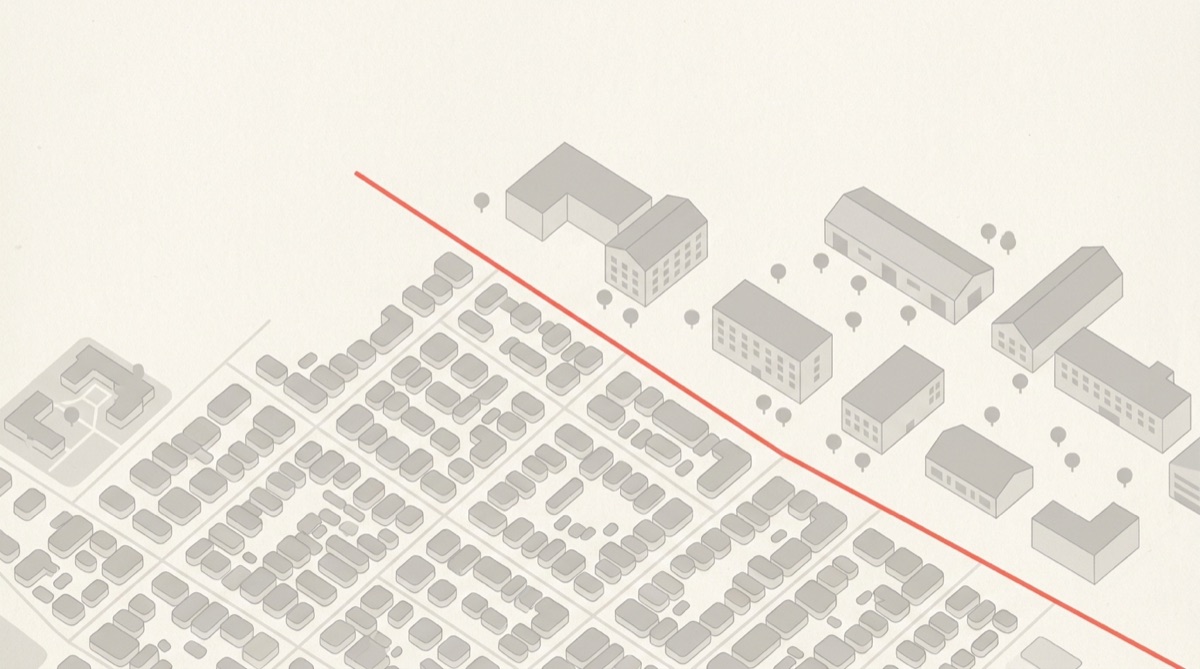
Konkuk University sits in Hwayang-dong, Gwangjin-gu, in eastern Seoul, with Sejong University about a kilometer north near Children's Grand Park Station. Two universities share one rental pool, which keeps the student stock deep. But the area's western edge runs straight into Seongsu-dong in Seongdong-gu, which has been rebuilt over the past decade into an office-and-retail district. The result is a price seam: walk west from campus and rents rise sharply within two subway stops, while walking north or east toward Gunja and Junggok lowers them.78910
The transit position is the other difference. Konkuk Univ. Station is an interchange of Line 2 (the circle line) and Line 7. Gunja Station, one to two stops north, is an interchange of Lines 5 and 7. Line 2 reaches Gangnam eastbound and City Hall westbound with no transfer; Line 7 runs south to Cheongdam, Nonhyeon and the Express Bus Terminal. If you commute rather than only attend class, this cluster is unusually forgiving — which is exactly why you can afford to trade walk time for rent.
The seven blocks, and what each one is actually selling
Neighborhoods within reach of Konkuk University, ordered roughly from cheapest to most expensive. Walk times are to the main campus gate.910
| Neighborhood | Nearest station (line) | To campus | What it is | The trade-off |
|---|---|---|---|---|
| Junggok-dong (중곡동) | Junggok (7) | 2 stops + walk | Lowest rents in this guide's range; older low-rise villas | Dated buildings, hilly streets, little new stock |
| Gunja-dong (군자동) | Gunja (5·7) | 15–20 min walk | Two-line interchange, quieter residential grid | Longer walk; fewer newly built one-rooms |
| Neung-dong (능동) | Children's Grand Park (7) | 10–15 min walk | Park-side, calmer; shares demand with Sejong University | Thin supply — good rooms move fast in intake months |
| Hwayang-dong (화양동) | Konkuk Univ. (2·7) | 5–12 min walk | The core student belt: one-rooms, goshiwon, share houses | Nightlife noise; heavy multi-household deposit risk |
| Guui-dong (구의동) | Guui / Gangbyeon (2) | 1–2 stops | Mid-price mix, intercity bus terminal nearby | Further from campus, less student infrastructure |
| Jayang-dong (자양동) | Konkuk Univ. / Ttukseom Resort (2·7) | 10–20 min walk | Officetels, riverside access, calmer evenings | Costs more than Hwayang for the same floor area |
| Seongsu-dong (성수동) | Seongsu / Ttukseom (2) | 1–2 stops | Newest buildings, offices and cafés; Seongdong-gu | Highest rents here and the least student-sized stock |
What it costs
Figures as of 2026-08 · verify the live listing12
| Goshiwon / wonroomtel, Hwayang-dong | ₩350,000–550,000 / month | Usually no deposit or a nominal one; utilities and rice/kimchi often included |
|---|---|---|
| Share house bed (private or twin room) | Deposit ₩500,000–1,000,000 · ₩450,000–650,000 / month | Shortest lock-in; check whether address registration is permitted |
| Older 원룸 (wonroom, studio), Hwayang · Junggok · Gunja | Deposit ₩3,000,000–5,000,000 · ₩450,000–600,000 / month | Mostly multi-household buildings; confirm floor level before viewing |
| Newer 원룸, Hwayang · Guui | Deposit ₩5,000,000–10,000,000 · ₩550,000–750,000 / month | Built-in appliances, entrance intercom more common |
| 오피스텔 (officetel), Jayang · Guui | Deposit ₩10,000,000–20,000,000 · ₩700,000–1,000,000 / month | Managed buildings; maintenance fee is higher and less negotiable |
| 오피스텔, Seongsu · Ttukseom | Deposit ₩10,000,000–30,000,000 · ₩900,000–1,500,000 / month | Priced against office workers, not students |
| 관리비 (gwallibi, maintenance fee) | ₩50,000–120,000 / month | Separate from rent; ask exactly what it covers before signing |
These are asking terms observed in HeartStay concierge cases and listing sheets for this area as of 2026-08, not a statistical survey. Deposits and rent trade against each other, and a landlord who wants a larger deposit will usually cut monthly rent. Verify any specific building against filed contracts before you negotiate — see the next section.
Across 801 web-form inquiries we received between July 2025 and August 2026, the median target was ₩600,000 monthly rent against a ₩1,500,000 deposit, and 35% planned a 12-month stay. Seventeen of those inquiries named Konkuk Univ. Station specifically. One limitation to state plainly: a majority of that sample holds Japanese nationality, so the budget profile skews toward low-deposit, short-commitment rooms rather than the officetel tier.12
Check the asking price against filed contracts
You do not have to take an agent's word on the market rate. Korea operates a housing lease reporting system: leases above the reporting threshold — a deposit over ₩60,000,000 or monthly rent over ₩300,000 — must be reported to the local authority within 30 days, and reported contracts are published in aggregate through the Ministry of Land, Infrastructure and Transport's real transaction price system. Search by 법정동 (legal dong) — 화양동, 자양동, 군자동, 성수동1가 — and by building type to see what people in that block actually signed, not what is being asked of you.345
The Hwayang-dong deposit problem
Most cheap rooms within a ten-minute walk of campus are in 다가구주택 (dagagu jutaek, multi-household houses) — a single building on a single title, with one owner and many tenants. Legally, this is one property, so every tenant's deposit competes for the same collateral. If earlier tenants already hold fixed dates, or if a bank holds a mortgage registered before your move-in, they are paid first when the building is sold. A ₩5,000,000 deposit can vanish in a building where the registered debts already exceed the sale value.3
Noise: the one thing a daytime viewing will not show you
The blocks between Konkuk Univ. Station and the campus front gate hold one of eastern Seoul's densest concentrations of restaurants and bars, and they run late. Buildings a single street back are materially quieter, and within one building, rooms facing the interior alley behave nothing like rooms facing the main strip. This is the single most common regret in our concierge cases for this area — not size, not price.
- 01
View once in daylight, once after 22:00
Ask the agent for a second visit, or stand outside the building yourself on a Friday or Saturday night. If the agent refuses a second viewing, that alone is information.
- 02
Open the window and listen, then close it and listen again
Cheap replacement windows are single-pane. Closed-window noise is what you will live with for 12 months.
- 03
Check what is on the ground floor and immediately opposite
A 24-hour restaurant, a karaoke room, or a bar entrance directly below means noise plus smell plus foot traffic in your stairwell.
- 04
Ask which direction the room faces and confirm it on a map
Room orientation determines both light and noise exposure. Verify it against a satellite view rather than trusting the listing photo.
- 05
Test the walk home, at night, from the station exit you would actually use
Lighting and CCTV coverage change block by block between the station and the residential streets behind it.
From arrival to legal protection
What happens when, and in what order
- Before arrival Decide dormitory or private room Both Konkuk and Sejong operate university housing with limited capacity and application windows tied to the semester. Apply even if you expect to rent privately — a dorm offer you decline costs nothing, and a rejection you learn about late costs you the good rooms.
- 6–8 weeks before the semester Set the search window Turnover in this area concentrates around the March and September intakes. Searching in January–February or July–August gives you the widest choice; searching in the first week of the semester gives you what nobody else took.
- Viewing week Shortlist by block, not by station Compare two Hwayang rooms against one Gunja or Junggok room. The inland option is usually a larger room for the same money, at the cost of a walk.
- Before signing Pull the property register and match the names The owner on the register must match the person receiving your deposit. If they differ, you need a notarized power of attorney — no exceptions.
- Move-in day Move in and take possession Physical occupancy is one of the two conditions for the opposing power that protects your deposit against a new owner.
- Within 14 days of moving Report your change of residence to immigration Registered foreign residents must report a change of residence. Under the Immigration Act, alien registration and the change-of-residence report stand in for resident registration and the move-in report — which is how a foreign tenant acquires the same protection a Korean tenant gets from 전입신고.
- Within 30 days of signing File the lease report This satisfies the reporting obligation and grants the fixed date that establishes your deposit's priority.
Bring these to the signing
- Passport Required for the contract and for anything at an immigration office
- Alien Registration Card (외국인등록증) Optional If already issued. If not, the lease can still be signed — you file the residence report after the card is issued
- Certified copy of the property register (등기사항전부증명서) Obtain it yourself from the Internet Registry Office rather than accepting the agent's printout
- The agent's brokerage registration and the confirmation of explanation (중개대상물 확인·설명서) A licensed agent must issue this. No document, no licensed agent
- Deposit transfer to an account in the registered owner's name Never to a third party's account, and never in cash without a receipt
- Special terms in writing (특약사항) Existing deposits held in the building, what the maintenance fee covers, repair responsibility, early-termination terms
- Photos of the room's existing damage, taken on move-in day Time-stamped, sent to the landlord the same day — this is your defense at move-out
Your lease should end after your exam period, not on the last day of class — a lease ending mid-semester forces a move during finals. Align the contract to a 12-month term starting from the intake month, and if you plan to leave for a summer or winter break, negotiate that before signing rather than asking for a rent holiday later. If you have a dormitory place for the first semester, use it and search for a private room while you are already in Seoul; viewing in person beats every listing photo.
Language programs run on 10-week terms, which fits nobody's 12-month lease. Goshiwon and share houses in Hwayang-dong are the realistic entry point, and the deciding question is not price but whether you can register that address as your residence — some operators will not cooperate, and without a registered address your immigration paperwork stalls. Confirm this before paying anything.
See rooms around Konkuk Univ. Station
Pan north toward Gunja and Junggok to see how the same budget buys more space one or two stops inland.
Is Seongsu-dong worth the premium if I study at Konkuk?
Only if you are also working or interning in that direction. Seongsu is one to two stops away on Line 2, so the commute is trivial, but you are paying office-district prices for a student commute. If your budget reaches Seongsu officetel level, compare it against a larger Jayang-dong officetel first — closer to campus, quieter, and usually cheaper for the same floor area.
Gunja or Hwayang if I want the cheapest workable room?
Junggok and Gunja are cheaper per square meter, and Gunja's Line 5 and 7 interchange makes commuting easy. Hwayang wins only on walk distance to campus. If you attend class four or five days a week and go straight home, Hwayang's convenience is real; if your schedule is lighter, take the inland discount.
The landlord says the lease report is unnecessary for a small room. Is that true?
No. The obligation attaches to the contract terms, and monthly rent above ₩300,000 crosses the threshold — which nearly every room in this area does. Filing is also what gives you the fixed date, so refusing to file works against you and not against the landlord. Either party can file it; if the landlord will not, take the contract to the dong community service center yourself.
Can I sign a lease before my Alien Registration Card is issued?
Yes — a lease is a private contract and a passport is sufficient to sign it. What you cannot do is complete the residence report before you are registered. Plan the sequence: sign, move in, register, then report the residence within 14 days of the move. If your card is delayed, keep every receipt and the dated contract.
How loud is loud, really?
On the restaurant blocks between the station and the campus gate, street-level noise runs past midnight most nights and later on weekends. Two streets back it drops sharply. This is a block-level variable, not a neighborhood-level one, which is why the only reliable test is standing there at night.